When people think of household pests, the image of ants, cockroaches, or rodents often comes to mind. Yet one of the most destructive invaders is much smaller, quieter, and often invisible until significant damage is done—the termite. Known as “滅白蟻價錢, ” termites are social insects that live in colonies and feed primarily on cellulose, the organic fiber found in wood and plant material. Their ability to consume wood and other cellulose-based substances makes them a major threat to homes, businesses, and even crops around the world.
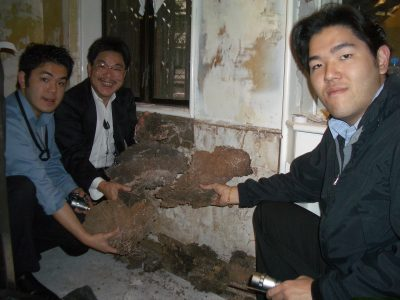
Termites play an important ecological role in breaking down dead trees and recycling nutrients back into the soil, helping maintain forest ecosystems. However, their destructive potential becomes evident when they move into human structures. Unlike many pests that can be easily detected, termites often work behind walls, under floors, and within wooden structures for months or even years before their presence is noticed. By the time visible signs of infestation appear, severe damage may already have occurred, resulting in costly repairs.
There are more than 2, 000 known termite species worldwide, and they are typically divided into three main groups: subterranean termites, drywood termites, and dampwood termites. Subterranean termites are the most common and destructive type, living in underground colonies that can number in the millions. They build mud tubes to protect themselves from air and light as they travel to wooden structures in search of food. Drywood termites, on the other hand, infest dry wood, including furniture and framing timber, without needing soil contact. Dampwood termites prefer moist and decaying wood, often found in humid environments. Each type poses unique challenges, but all share the potential for extensive destruction if left unchecked.
The social structure of a termite colony is highly organized and resembles that of ants or bees. Colonies consist of a queen, king, workers, and soldiers. The queen is responsible for laying thousands of eggs each year, ensuring the growth and survival of the colony. Workers perform the majority of tasks, such as foraging for food, building tunnels, and feeding other members of the colony. Soldiers, equipped with large mandibles, defend the colony from predators like ants. The complex and cooperative behavior of termites allows their colonies to thrive for decades, making eradication difficult without professional intervention.
Signs of a termite infestation are often subtle but should never be ignored. Common indicators include hollow-sounding wood, mud tubes along walls or foundations, discarded wings near windowsills, and piles of termite droppings, often referred to as frass. In some cases, buckling floors, peeling paint that resembles water damage, or sagging doors and windows may also point to termite activity. Unfortunately, homeowners frequently discover termites only after serious structural damage has already been done. This is why regular inspections are essential, particularly in regions where termites are common.
Preventing termite infestations requires a combination of proactive measures and professional treatments. Moisture control is one of the most effective strategies, as termites are drawn to damp environments. Fixing leaky pipes, ensuring proper drainage, and ventilating crawl spaces can help reduce the risk. Storing firewood away from the house and keeping soil levels below the foundation are also recommended. For added protection, pest control companies often apply termiticides or install bait systems designed to eliminate entire colonies over time. Early detection and treatment can save thousands of dollars in potential repair costs.
The economic impact of termites is staggering. According to industry estimates, termites cause billions of dollars in property damage worldwide each year, much of which is not covered by standard homeowners’ insurance. Beyond financial loss, the structural integrity of buildings can be severely compromised, posing safety risks to occupants. For businesses, termite infestations may also lead to reputational damage and operational disruptions. These far-reaching consequences underscore the importance of termite awareness and management at both household and community levels.
Despite their destructive tendencies, termites are fascinating creatures from a biological standpoint. Their ability to digest cellulose comes from a symbiotic relationship with protozoa and bacteria living in their guts. These microorganisms break down cellulose into simpler compounds that termites can absorb. This unique adaptation makes them one of nature’s most efficient recyclers. While their presence in human environments is undesirable, their role in natural ecosystems should not be overlooked.
In conclusion, termites are far more than just a nuisance; they are a powerful force capable of silently undermining the strength and safety of homes and structures. Understanding their biology, behavior, and warning signs is the first step toward prevention. Regular inspections, proper maintenance, and timely treatments are essential defenses against these pests. By balancing awareness of their ecological importance with proactive efforts to protect human structures, we can better manage the challenges posed by these silent destroyers.